
Bathroom Remodel Pros And Cons In 2026: Is It Really Worth The Money?
A bathroom remodel is worth it for most homeowners, but not all of them. The average midrange project costs about $26,138 nationally and recoups roughly 80% at resale, according to the 2025 Cost vs. Value Report from Zonda/JLC. That’s a strong return. But if your budget is tight, your timeline is short, or you only need one or two upgrades, a full gut job might be the wrong move entirely.
A bathroom remodel is a renovation that updates some or all of a bathroom’s fixtures, surfaces, layout, and systems. It can range from a $5,000 cosmetic refresh to an $80,000+ high-end overhaul, and the right scope depends on your goals, your home’s value, and how long you plan to stay.
I’ve worked with remodeling contractors who see the same pattern over and over. A homeowner gets excited, tears everything out, and ends up $15,000 over budget because nobody talked about the bathroom remodel pros and cons before demo day. This guide is the conversation you should have first.
We won’t cover kitchen remodels, whole-home renovations, or cosmetic-only updates like paint and hardware swaps. Those are different decisions with different math.
What Are the Biggest Benefits of a Bathroom Remodel?
Bathroom remodeling was the single most common project homeowners tackled in 2025. NAHB’s Q4 2025 Remodeling Market Index rated it 4.1 out of 5 for frequency, with 73% of remodelers calling it “common to very common.” There are good reasons for that popularity.
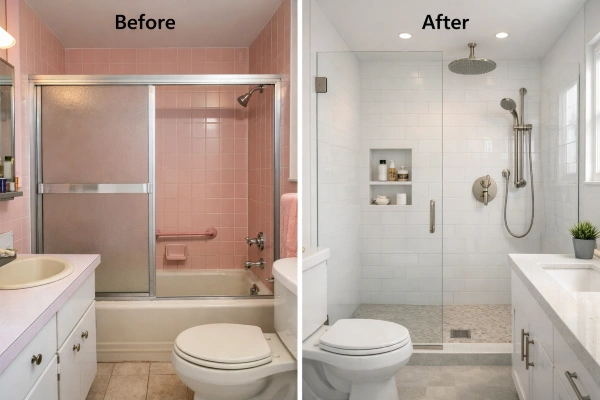
Does a Bathroom Remodel Increase Home Value?
Yes, but the return depends entirely on what you spend. A midrange bathroom remodel recoups about 80% of its cost at resale. Spend $26,138, and you’re looking at roughly $20,915 in added value. That’s solid.
Go upscale, though, and the math flips. The same Zonda/JLC report puts high-end bathroom remodels at $81,612 with only 42% recouped. You’d lose nearly $47,000 at closing. The lesson: mid-range finishes in a mid-range neighborhood consistently beat luxury upgrades when resale is the goal. Most contractors won’t tell you this because bigger projects mean bigger invoices.
How Does a Remodel Improve Daily Comfort?
A bathroom that worked for you ten years ago probably doesn’t work for you now. Maybe your family grew. Maybe your knees don’t love that step-over tub anymore. A remodel lets you fix the layout, add storage, and swap fixtures that actually match how you use the space today.
The NARI 2025 Remodeling Impact Report found that 64% of homeowners felt a greater desire to stay in their home after remodeling. Another 28% specifically cited better day-to-day function as the reason. Those numbers make sense. You use your bathroom multiple times a day. Even small layout changes (moving the vanity 12 inches, adding a recessed medicine cabinet) can make mornings feel completely different.
Can You Personalize an Outdated Bathroom?
This is where the emotional return lives. An outdated bathroom drags down how you feel about your entire house. The NKBA’s 2026 Bath Trends Report, drawn from nearly 700 industry experts, shows homeowners gravitating toward spa-style retreats, smart mirrors, and biophilic materials like natural stone and wood-look tile.
Actually, “personalize” might be the wrong framing. The better way to think about it: a remodel lets you stop tolerating a space that someone else designed for someone else’s life. If you’re planning to stay in your home for five or more years, the daily satisfaction often matters more than the ROI percentage.
Will New Fixtures Lower My Water and Energy Bills?
Upgrading to WaterSense-certified fixtures can cut bathroom water use by 20% or more. Low-flow toilets, efficient showerheads, and motion-sensor faucets add up fast. California’s updated Title 24 standards (effective January 2026) now require even lower flow rates for new plumbing installations, and the rest of the country is trending in the same direction.
The savings won’t pay for your remodel on their own. But over 10 years, a family of four can save $2,000–$3,000 on water bills alone with efficient fixtures. That’s a nice offset, not a justification.
Do Remodels Make Bathrooms Safer?
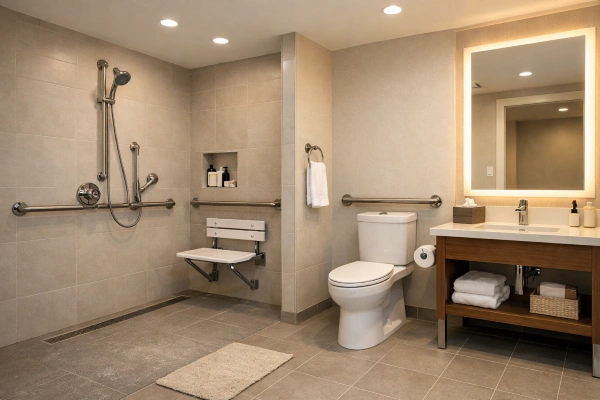
For anyone over 60 or dealing with mobility challenges, this is the strongest argument for remodeling. Grab bars, curbless showers, non-slip flooring, and comfort-height toilets reduce fall risk dramatically. The 2025 Cost vs. Value Report tracks “universal design” bathroom remodels specifically. They cost about $42,183 on average and recoup 61%, which is lower than midrange, but the value a remodel adds to your home isn’t always about resale. Sometimes it’s about staying in your home safely for another 15 years.
What Are the Downsides of a Full Bathroom Remodel?
Every remodeling contractor has a financial incentive to tell you the pros. The cons are where you need an honest breakdown.
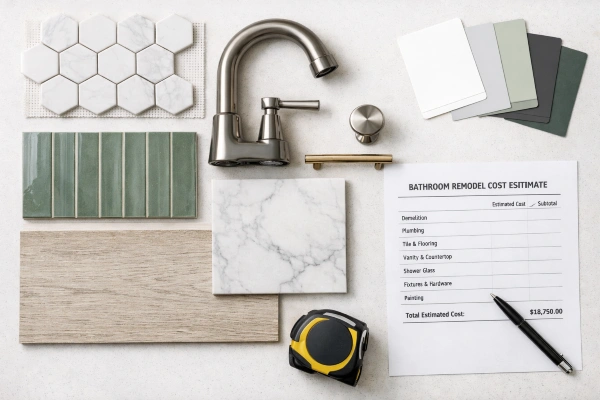
How Much Does a Bathroom Remodel Actually Cost in 2026?
More than most homeowners expect. Here’s how the numbers break down by project tier:
| Project Tier | Average Cost | Resale Value Added | ROI |
| Budget / Cosmetic | $5,000–$12,000 | Not separately tracked | Varies |
| Midrange | $26,138 | $20,915 | 80% |
| Universal Design | $42,183 | $25,812 | 61% |
| Upscale / High-End | $81,612 | $34,000 | 42% |
Source: 2025 Cost vs. Value Report (Zonda/JLC). Consumer-scope averages from Angi (March 2026) sit around $12,130 for variable-scope projects.
Location matters too. Coastal and high-cost markets like Los Angeles and the Mid-Atlantic run 20–40% above national averages. A midrange remodel in the Midwest might cost $24,000. The same project in New York could hit $32,000.
How Long Will My Bathroom Be Out of Commission?
A professional crew typically finishes in 3–5 weeks. DIY? Expect 6 months or longer, and that’s being generous. Permit approvals, material backorders, and the inevitable “we found mold behind the tile” moment all push timelines out.
If it’s your only bathroom, plan ahead. I’ve seen homeowners set up a temporary shower in the basement or arrange to use a neighbor’s bathroom for a week. It’s inconvenient, but manageable if you know it’s coming. The best time to schedule your project can also affect how quickly a crew is available.
Does Decision Fatigue Derail Bathroom Remodels?
Tile, grout color, vanity style, faucet finish, lighting, mirror shape, shower door type. The average bathroom remodel involves dozens of individual choices, and most homeowners underestimate how draining that process gets by week two.
Here’s the contrarian take: decision fatigue isn’t really about too many choices. It’s about not having a clear priority. If you decide upfront whether you’re optimizing for resale or personal comfort, half those decisions make themselves. Pick your lane early.
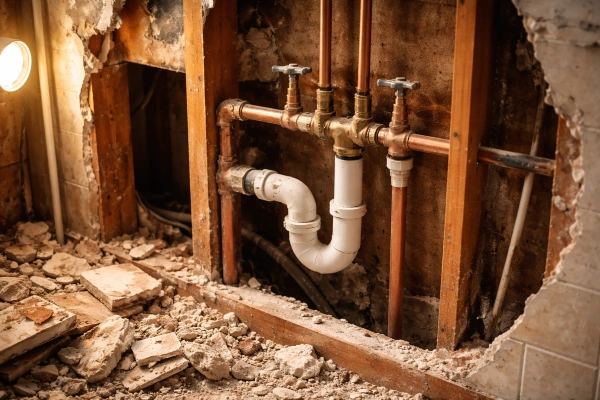
What Hidden Problems Show Up During Renovation?
The most expensive surprise in bathroom remodeling is discovering you need to move plumbing lines or deal with load-bearing walls. That single change can add $3,000–$10,000 that wasn’t in your original quote. Old homes are especially prone to outdated wiring, corroded pipes, and water damage hiding behind walls.
Budget an extra 15–20% as a contingency. If you don’t use it, great. If you do, you won’t be scrambling for a credit card. The remodeling contractors I’ve worked with who are upfront about the most expensive parts of a bathroom remodel are the ones worth hiring.
Can You Over-Improve a Bathroom?
Absolutely. And it happens constantly. An $80,000 bathroom in a $350,000 house is a poor investment. You’ll never get that money back. The 42% ROI on upscale remodels proves it.
Before you pick out that heated towel rack and rainfall showerhead, check comparable sales in your neighborhood. If the nicest home on your street sold for $400,000, spending $80,000 on a single bathroom doesn’t make financial sense, no matter how good the tile looks. Understanding the difference between remodeling and renovation can help you right-size the project scope.
What Are the Alternatives to a Full Bathroom Remodel?
Not every bathroom problem requires a $26,000 solution.
Are DIY Bathroom Updates Worth the Effort?
For cosmetic work, yes. Painting, swapping out a mirror, replacing cabinet hardware, adding floating shelves. These cost a few hundred dollars and can shift how the room feels overnight. Anything involving plumbing, electrical, or structural changes should go to a licensed pro. Code violations from DIY plumbing work can void your homeowner’s insurance, and that’s a risk nobody should take.
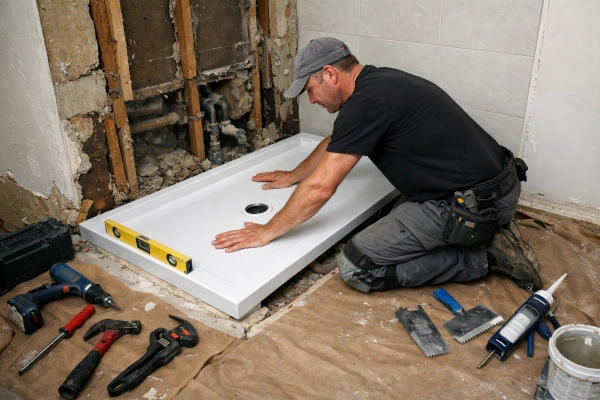
Should You Upgrade One Fixture Instead?
If your main frustration is a stained bathtub or a shower that grows mold no matter how often you scrub it, a single fixture swap might solve 80% of the problem at 20% of the cost. A tub-to-shower conversion, for example, runs $3,000–$8,000 and can be done in a few days. It won’t transform the whole room, but it fixes the thing that’s actually bothering you. Sometimes the smartest remodeling decision is a smaller one. Knowing the different types of remodeling projects helps you match the right scope to your actual problem.
Make the Right Call on Your Bathroom Remodel
The bathroom remodel pros and cons come down to one question: does the scope of this project match the size of your actual problem? A midrange remodel with 80% ROI is a smart investment for homeowners who plan to stay 5+ years or sell within 2. An upscale overhaul at 42% return is a lifestyle choice, not a financial one. And a $200 weekend refresh might be all you actually need.
Don’t let anyone (contractor, designer, or blog post) pressure you into spending more than the problem requires. The best remodeling projects aren’t the biggest. They’re the ones where the homeowner knew exactly what they wanted before the first tile came off the wall. Working with a team that understands your goals makes that clarity easier to find.
FAQs
How much does a bathroom remodel cost in 2026?
A midrange bathroom remodel costs about $26,138 nationally, according to the 2025 Cost vs. Value Report. Consumer averages from Angi (updated March 2026) sit closer to $12,130 for smaller or partial-scope projects. Your location, materials, and whether you move plumbing lines are the biggest cost drivers.
Is a bathroom remodel worth it if I’m not selling my home?
For most homeowners, yes. NARI’s 2025 Remodeling Impact Report found that 64% of homeowners felt a stronger desire to stay in their home after a bathroom renovation. The daily comfort and function improvements often matter more than the resale percentage, especially if you plan to stay five or more years.
What is the ROI on a bathroom remodel?
Midrange bathroom remodels recoup about 80% of their cost at resale. Universal design remodels return roughly 61%, and upscale projects recover only 42%. The gap between midrange and high-end ROI is one of the biggest reasons contractors recommend sticking with mid-tier finishes in average-priced neighborhoods.
How long does a bathroom remodel take?
A professional crew typically completes a midrange bathroom remodel in 3–5 weeks. DIY projects can stretch to 6 months or longer. Permitting delays, material backorders, and hidden problems behind walls are the most common reasons projects run over schedule.
What are the bathroom remodel pros and cons for aging in place?
The biggest pro is safety. Grab bars, curbless showers, non-slip tile, and comfort-height toilets reduce fall risk and extend independence. The main con is cost. Universal design remodels average $42,183 nationally, and the 61% ROI means you won’t recover the full investment at resale. For many aging homeowners, the tradeoff is still worth it.
Do I need permits for a bathroom remodel?
Any work involving plumbing, electrical, or structural changes almost always requires a permit. Skipping permits can result in fines, failed inspections, and insurance complications if something goes wrong later. Always confirm permit requirements with your local building department before work starts.
What’s the most expensive mistake in bathroom remodeling?
Moving plumbing lines or load-bearing walls. This single change can add $3,000–$10,000 to your project that most initial quotes don’t include. Keeping your toilet, shower, and vanity in their current locations is the fastest way to stay on budget.

Michael Vale has over 5 years of experience helping clients improve their business visibility on Google. He combines his love for teaching with his entrepreneurial spirit to develop innovative marketing strategies. Inspired by the big AI wave of 2023, Michael Vale now focuses on staying updated with the latest AI tools and techniques. He is committed to using these advancements to deliver great results for his clients, keeping them ahead in the competitive online market.