
Best Time Of Year To Start A Home Remodel In 2026
The best time of year to start a home remodel depends on what you’re doing. Exterior projects like roofing and siding perform best in spring or early fall when temperatures sit between 50°F and 85°F. Interior work (kitchens, bathrooms, basements) can happen any month, but winter gives you shorter wait times and lower labor costs.
That’s the short answer. The longer one involves your budget, your contractor’s backlog, and how much disruption you can handle at home.
The U.S. remodeling market is projected to hit a projected $509 billion in owner-occupied spending for 2025, revised upward by $30 billion from earlier estimates. More money chasing the same labor pool means timing matters more than it used to. Book during peak season without planning ahead, and you’ll pay for the privilege.

What Affects Your Remodel Timeline?
Four things drive your schedule more than the calendar does.
- Weather and materials. Paint, adhesives, and vinyl siding all need moderate temperatures. Asphalt shingles won’t seal properly below 40°F. Concrete needs consistent temperatures above freezing to cure. If your project touches the exterior of your home, weather isn’t optional. It’s the deciding factor.
- Contractor availability. The construction industry needs roughly 439,000 additional workers in 2025, according to the Associated Builders and Contractors. That shortage means peak-season lead times run 3–6 months. Off-peak? You might get started in 4–6 weeks. I’ve seen homeowners lose their preferred crews just by waiting two weeks too long to sign a contract in April.
- Your household rhythm. Don’t start a kitchen gut job the week before Thanksgiving. Don’t rip out your only bathroom when summer guests are visiting. Sounds obvious, but roughly 75% of homeowners plan maintenance and repair work around Q4, which creates a bottleneck you can avoid.
- Budget pressure. Labor rates during peak summer months can run 5–15% higher than winter pricing. Materials tend to hold steadier in the off-season, too, because demand drops. If your budget is tight, timing alone can save you thousands.

Home Remodeling by Season: Your 2026 Calendar
Each season brings trade-offs. There’s no perfect window for every project. But there is a best window for you.
Spring (March – May): Why Pros Call It Launch Season
Spring is when the industry wakes up. Moderate temperatures, longer daylight, and drier conditions make it ideal for exterior work. The National Association of Home Builders even designated May as National Home Remodeling Month.
Best spring projects: roofing replacement, siding installation, window and door swaps, and exterior painting. If you’re planning a large interior remodel, starting in spring gives you buffer time before winter returns.
The catch? Everyone else has the same idea. Contractors fill their calendars fast. If you want a spring start, you should be signing contracts by January.
Is Summer Worth the Higher Price Tag?
Summer is the peak season. Longest days, warmest weather, and the most competition for crews. Expect higher estimates and longer wait times.
But summer does make sense for big structural work. Room additions, concrete pours for patios and driveways, and large-scale exterior renovations all benefit from extended daylight and predictable weather.
Here’s my contrarian take. Most homeowners assume summer is “the best time” because the weather cooperates. But the data tells a different story. You’re paying premium labor rates for the same work you could get done in October at a discount. Unless your project absolutely requires July weather, you’re overpaying.
Fall (September – November): The Smart Money Season
Fall is the season most contractors privately prefer. Cooler temps, lower humidity, and a post-summer dip in demand. Crews are available. Kids are back in school, so there’s less foot traffic in the house. And projects wrap before the holidays.
Best fall projects: roof replacements, gutter installs, kitchen and bath updates, exterior paint touch-ups, and window replacements in moderate climates.
Fall is where you get the best combination of weather, pricing, and crew attention. Remodelers I’ve worked with say their fall clients get better communication and fewer subcontractor delays.
Winter (December – February): Off-Peak, On Purpose
Winter limits your exterior options in cold climates. But for interior projects, it’s a hidden advantage.
Bathroom remodels, kitchen renovations, basement finishing, and attic insulation are all fair game. Contractors have open calendars. Labor discounts of 5–15% are common. And a remodeling company that markets year-round will often prioritize winter clients because they need the work.
Use winter for design and planning, too. Pull permits, finalize blueprints, and lock in material prices so you’re ready to break ground in spring.
When Should You Start Each Type of Remodel?
Every project has its own sweet spot. Weather, pricing, and crew availability line up differently depending on what you’re building.
When’s the Best Time to Replace Windows and Doors?
Spring through fall works best. You don’t want your home open to the elements when it’s 30°F outside. But experienced installers can swap windows in colder weather with proper precautions. If winter is your only option, talk through the process before signing.
Best Time to Replace Gutters and Siding
Inspect gutters after the winter thaw and get replacements done before autumn leaves pile up. For siding, vinyl and fiber cement both perform best in moderate temperatures. Spring and fall are your two windows. According to the 2025 Cost vs. Value Report, fiber-cement siding recoups about 114% of its cost at resale, making it one of the strongest ROI plays you can make.
Best Time to Replace a Roof
Late spring or early fall. No roofer wants to work in 95°F heat, and shingles don’t seal well in freezing temps. Material performance is best between 45°F and 85°F. Book your roofer 3–4 months ahead if you’re targeting these windows.
Best Time for Room Additions or Enclosures
Design in winter. Pour the foundation in spring once the ground thaws and temperatures stabilize. Starting construction by mid-spring gives you buffer time for the delays that any experienced team will tell you are almost guaranteed on large projects. Subcontractor scheduling alone causes 30–50% of timeline slips on additions.
Best Time to Remodel a Bathroom
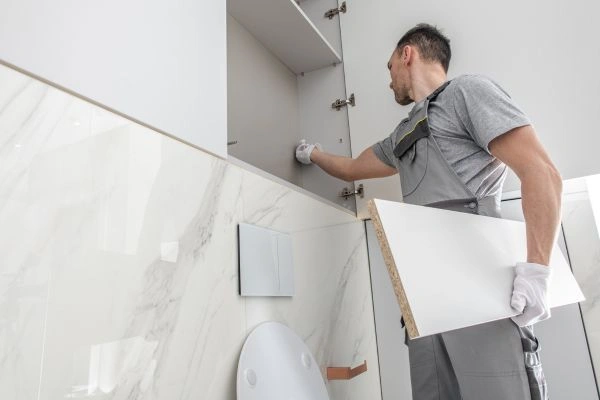
The best time to remodel a bathroom is when you can live without it. If it’s your only one, reach out to a remodeling pro early and plan around your household schedule. Winter and early spring offer the best contractor availability for bathroom work. A midrange bath remodel runs about $26,138 nationally, and that number doesn’t change by season. But the attention your project gets from a crew with a lighter workload? That changes everything.
Pick a season that fits your project, your budget, and your life. Plan 3–6 months ahead for peak-season starts. And if you can, lean toward fall or winter. That’s where the real value is.
FAQs
Does remodeling in winter actually save money?
Yes. Contractors carry lighter workloads from December through February, which often translates to labor discounts of 5–15%. Interior projects like kitchens and bathrooms finish faster without weather delays. You won’t save on materials (those prices are set by manufacturers), but the labor savings on a $50,000 project can put $2,500–$7,500 back in your pocket.
How far in advance should I book a contractor in 2026?
Plan for 3–6 months during peak season (April through August). Off-peak, you can often get started in 4–6 weeks. The biggest mistake I see is homeowners calling in March for an April start. By then, the best crews are booked through summer.
Is fall better than spring for starting a full home remodel?
For most projects, yes. Fall offers milder weather, post-summer contractor availability, and pre-holiday completion timelines. Spring is the planning season, but demand fills calendars fast, and you’ll compete with every other homeowner who made the same New Year’s resolution.
Can I live in my house during a winter remodel?
For interior-only projects, absolutely. The 2025 Houzz & Home Study found that 75% of homeowners stay home during renovations. Winter interior work avoids the added disruption of open walls or missing windows that exterior projects create. Plan for dust and noise, but it’s manageable.
How much does timing affect my kitchen remodel ROI?
The ROI itself doesn’t change by season. The 2025 Cost vs. Value Report shows a minor kitchen remodel at about 113% ROI nationally. But poor timing (booking during peak summer) can add 10–20% in cost overruns and delays, which eats directly into your net return.
Do the new 2026 energy codes affect when I should start my remodel?
They can. Multiple states adopted the 2024 IECC energy code in 2025, which requires air-leakage testing and electrification readiness for major renovations. These new requirements add permitting time. Start your planning earlier than you normally would, so that permit delays don’t push your project into an unfavorable season.
What’s the most expensive timing mistake homeowners make?
Starting without a locked material price or a clear permit timeline. Scope creep without a contingency budget adds 10–20% in change orders, which on a $50,000 project means $5,000–$10,000 in surprise costs. The second-biggest mistake is picking the cheapest bid and assuming a summer start will go smoothly.

Michael Vale has over 5 years of experience helping clients improve their business visibility on Google. He combines his love for teaching with his entrepreneurial spirit to develop innovative marketing strategies. Inspired by the big AI wave of 2023, Michael Vale now focuses on staying updated with the latest AI tools and techniques. He is committed to using these advancements to deliver great results for his clients, keeping them ahead in the competitive online market.