
Bathroom Renovation Order: The Right Sequence In 2026
The correct bathroom renovation order is: plan and budget, prep the space, demolish (fixtures first, then walls, then flooring), complete rough-in plumbing and electrical, close walls and waterproof wet areas, then install finishes and fixtures. Every phase builds on the last. Skip a step or swap the sequence, and you’re looking at $8,000–$20,000 in tearout and rework, according to contractor estimates compiled from industry forums between 2021 and 2025.
I’ve watched homeowners tile over plumbing that was never pressure-tested. I’ve seen shower pans that nobody flood-tested for 72 hours before the backer board went up. These aren’t rare horror stories. They’re the most common callbacks in bathroom remodeling.
A bathroom renovation order that follows a tested sequence protects your money, your timeline, and your sanity. The national average cost for a bathroom remodel in 2025 sits at $12,129 (Angi, updated March 2026), with midrange gut jobs hitting $26,138 per the JLC/Zonda 2025 Cost vs. Value Report. That’s real money. Getting the order wrong means spending it twice.
This article won’t cover design trends or product picks. It covers the build sequence, start to finish, and why each step has to happen where it does.

How Should You Plan a Bathroom Remodel?
Good planning kills more problems than good tools do. Before any demo hammer swings, the planning phase locks in your scope, budget, and physical constraints so mid-project surprises don’t wreck your schedule or your wallet.
What Scope of Remodel Do You Actually Need?
Not every bathroom needs a gut job. A cosmetic refresh (paint, hardware, maybe a new mirror) runs $5,000–$15,000. A midrange gut renovation with new fixtures, tile, and minor plumbing changes lands between $15,000 and $40,000. Full luxury spa builds push $40,000–$100,000 or more (Angi, Fixr, JLC 2025 data).
Ask yourself three things: how long you’re staying in the house, what functional problems you need to solve, and what your daily routine actually demands from the space. If you’re selling in two years, a midrange remodel recoups roughly 80% at resale (JLC/Zonda 2025 Cost vs. Value Report). If you’re staying for a decade, spend on what makes your mornings better.
One thing most articles won’t tell you: scope creep is the single biggest budget killer. Decide what you’re doing before the demo starts, and don’t change your mind once the walls are open. Every layout change after rough-in costs three to five times what it would have cost during planning.
Setting a Budget That Won’t Blow Up
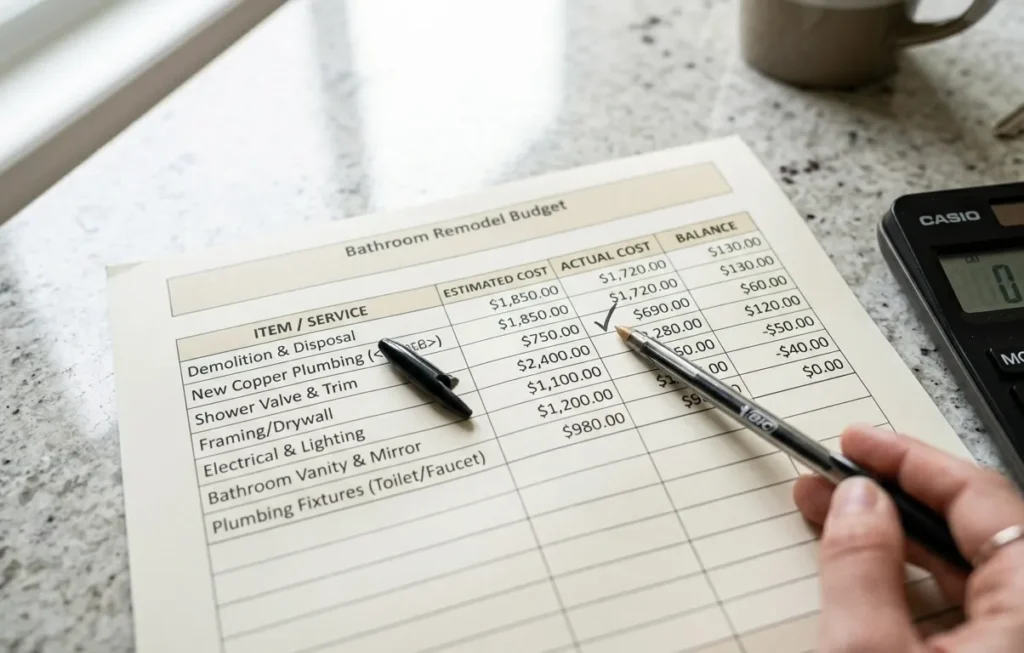
Break your budget into line items, not one lump number. Flooring, tile, vanity, fixtures, labor, permits, and a contingency fund (15–20% of the total) should each have their own row. This lets you set a realistic remodel budget without guessing where your flexibility lives.
The contingency fund isn’t optional. Hidden subfloor rot, outdated wiring, or ventilation upgrades discovered mid-demo add 15–30% to the project cost, per data from contractor forums. I’ve never seen a full gut job come in under budget without a contingency. And before you commit to anyone, make sure you know the questions to ask before signing a contract so you’re comparing bids on equal terms.
Measurements and Technical Limits
Record every dimension. Wall lengths, fixture spacing, ceiling height, and door swing clearance. Then identify what can’t move: plumbing stacks, electrical panels, load-bearing walls, and vent lines.
These measurements dictate what layouts are even possible. A digital tape measure and a basic planning app save hours of back-and-forth with your contractor. And if you’re relocating plumbing or electrical, you’ll likely need permits. Several states adopted the 2024 International Codes effective January 2026, which means tighter scrutiny on rough-in work for things like drain slope and vapor barriers.
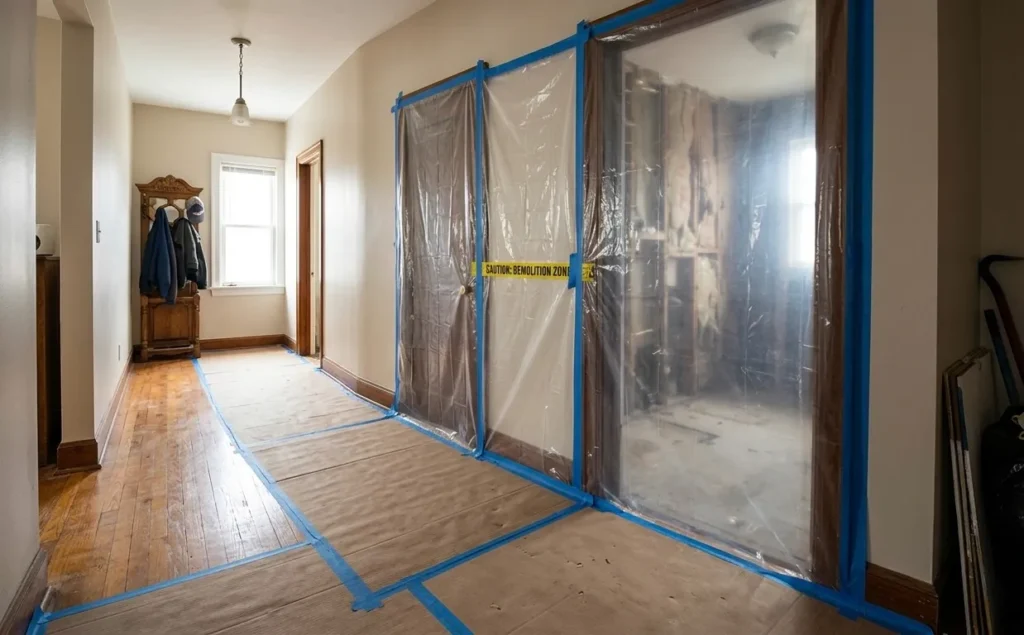
Preparing the Space and Protecting Your Home
Prep work isn’t glamorous. It’s also the difference between a contained remodel and dust in every room of your house for six weeks.
Covering and Sealing Surrounding Areas
Tape plastic sheeting over doorways. Lay floor protection boards along the path from the bathroom to the exterior or dumpster. Cover any HVAC returns in adjacent rooms so demo dust doesn’t circulate through the house.
These steps take about an hour. Skipping them means a full-house cleaning bill and scratched hardwood in the hallway. I’ve seen cleanup costs alone run $500–$1,000 on projects where nobody bothered with protection.
How Do You Safely Shut Off Utilities?
Turn off the water supply at the shutoff valves or the main. Cap exposed lines. Check for drips. Then kill the electrical circuit at the panel and verify the outlets and lights are dead with a voltage tester, not just by flipping the switch.
This sounds basic, and it is. But it’s also the step where DIYers get hurt. If you aren’t sure which breaker feeds the bathroom, bring in an electrician for 30 minutes. It’s cheap insurance.
Waste Removal Planning
A cosmetic refresh might fill a few contractor bags. A full gut on a standard 5×8 bathroom fills a 10-yard dumpster. Estimate your debris volume before demo day so you aren’t stacking broken tile on your driveway for two weeks.Schedule a dump trailer or dumpster rental in advance. During peak remodeling months (spring and summer), rental availability tightens, and the NAHB’s 2025 labor data shows an industry already short 439,000 workers. Everything takes longer to book than you’d expect.
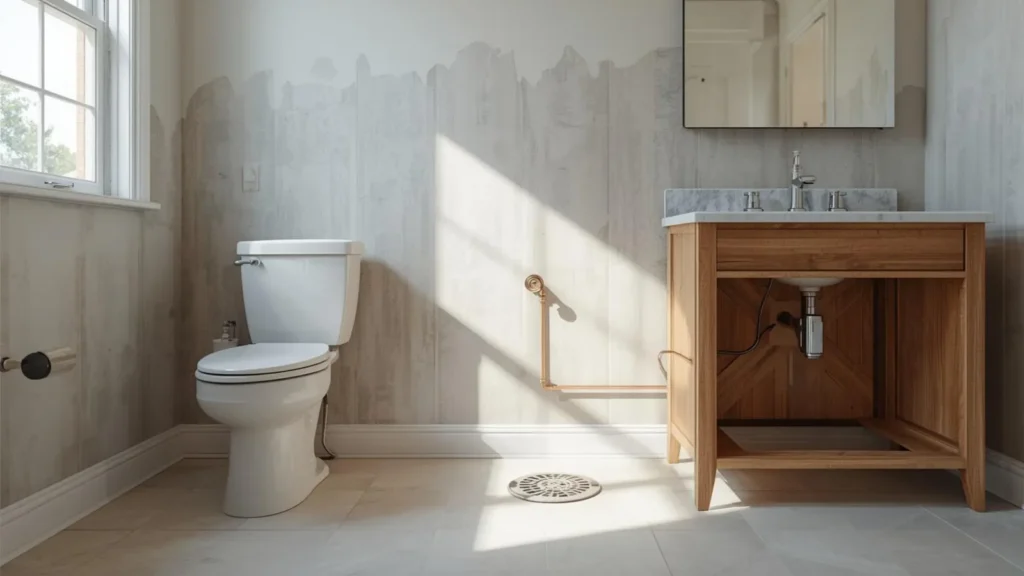
What’s the Right Demolition Order for a Bathroom?
Demo feels like the fun part. But there’s a specific sequence that keeps the project clean and protects the structure you’re building on top of.
Fixtures Come Out First
Disconnect and pull the toilet, vanity, mirrors, light fixtures, and any built-in shelving. Doing this first opens the room, gives you clear sightlines to the walls and floor, and keeps fixtures from getting smashed during heavier tearout.
If you’re doing your own demo to save money on the remodel, this is where DIY labor makes the most sense. Fixture removal is low-skill, low-risk work.
Walls Come Down Next
Once fixtures are out, strip the wall surfaces. Pull tile, backer board, and drywall to expose the plumbing and electrical behind them. This is where you find the problems: moisture damage, mold, corroded pipes, aluminum wiring, missing vapor barriers.
Finding these issues now is a gift. Finding them after new tile is installed is a $5,000+ mistake. Take photos of everything you uncover. Your contractor (and your permit inspector) will want to see what’s behind those walls.
Flooring Gets Pulled Last
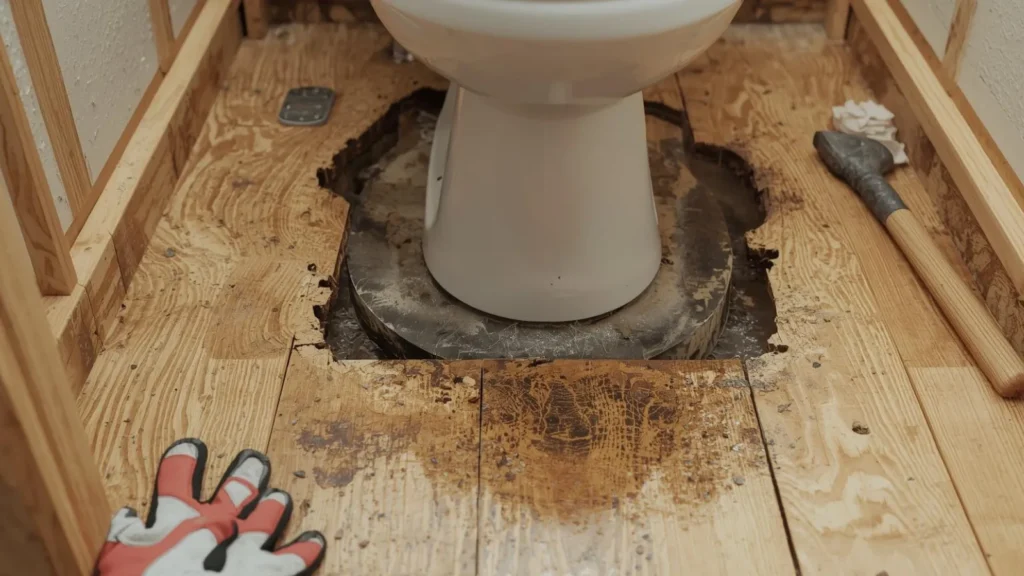
Rip up tile, vinyl, or laminate after the walls are open. Inspect the subfloor underneath. You’re looking for soft spots, rot, water stains, or structural sag.
A solid subfloor supports every finish layer above it. If the subfloor is compromised, everything installed on top of it will fail. Replacing a rotted subfloor section costs $500–$1,500. Ignoring it and installing tile over soft plywood costs you the entire floor a year later.
Rough-In Work: Plumbing, Electrical, and HVAC
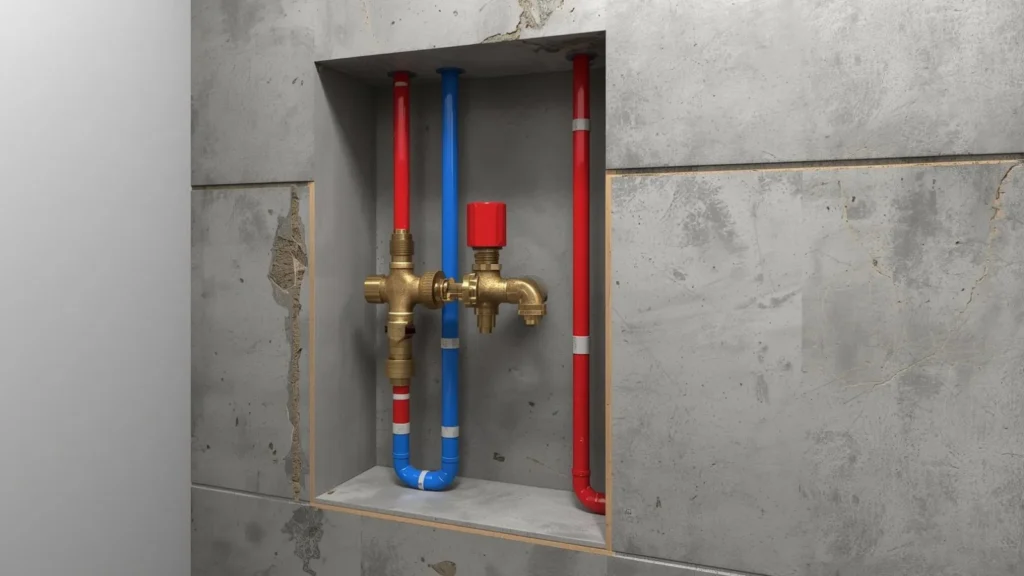
The rough-in phase is where the bathroom’s infrastructure gets built (or rebuilt). This work happens behind walls, under floors, and above ceilings. You won’t see it in the finished room. But if it’s done wrong, you’ll feel it in every clogged drain, flickering light, and fogged-up mirror for years.
How Should Plumbing Lines Be Positioned?
Position supply lines, drains, and shower valves to match your new layout. Set rough-in heights for the showerhead, tub spout, and toilet flange. Vent lines need to be sized and routed correctly or your drains won’t clear properly.
Here’s the contrarian take most articles skip: flood-test your shower pan for 72 hours before closing any walls. I know it feels like a waste of three days. It isn’t. An untested pan under tile is the number-one cause of leak-related tearouts in bathroom remodels, and those tearouts run $8,000–$20,000.
Reworking the Electrical Layout
Place switches, outlets, and light fixture boxes where your design calls for them. All bathroom outlets need GFCI protection per code. If you’re adding heated floors, a towel warmer, or LED mirrors, the wiring for those goes in now.
This is licensed-electrician territory. Running your own Romex behind walls might save $400 in labor. Failing inspection or causing a short costs you the drywall, the tile, and the re-inspection fee.
Does Ventilation Really Matter That Much?
Yes. And it’s the most commonly ignored step in bathroom remodeling.
A bathroom exhaust fan needs to move enough air (measured in CFM) to handle the room’s volume. Most 5×8 bathrooms need at least 50 CFM. Larger or higher-humidity spaces need more. Bad ventilation leads to mold, peeling paint, and moisture trapped inside walls, which quietly destroys everything you just built.
If you’re deciding what adds the most value to your remodel, proper ventilation won’t show up in listing photos. But it’s what keeps your $26,000 investment from rotting from the inside out.
How Do You Close the Walls and Build Wet Areas?
Once rough-ins pass inspection, it’s time to close the walls and build the moisture barriers that protect the bathroom’s structure. Precision matters here. Small errors in flatness or waterproofing show up in every tile line and every grout joint.
Wallboard and Backer Panels
Use moisture-resistant drywall (green board or purple board) in general areas. Use cement board or foam backer board in all shower and tub surrounds. Regular drywall in a wet zone is a guaranteed failure.
Secure panels flat and flush. Any bump or dip in the substrate telegraphs through the tile. I’ve seen tile jobs where the installer tried to “fix” a wavy wall with extra-thinset. It cracked within six months.
Why Is Waterproofing the Most Skipped Step?
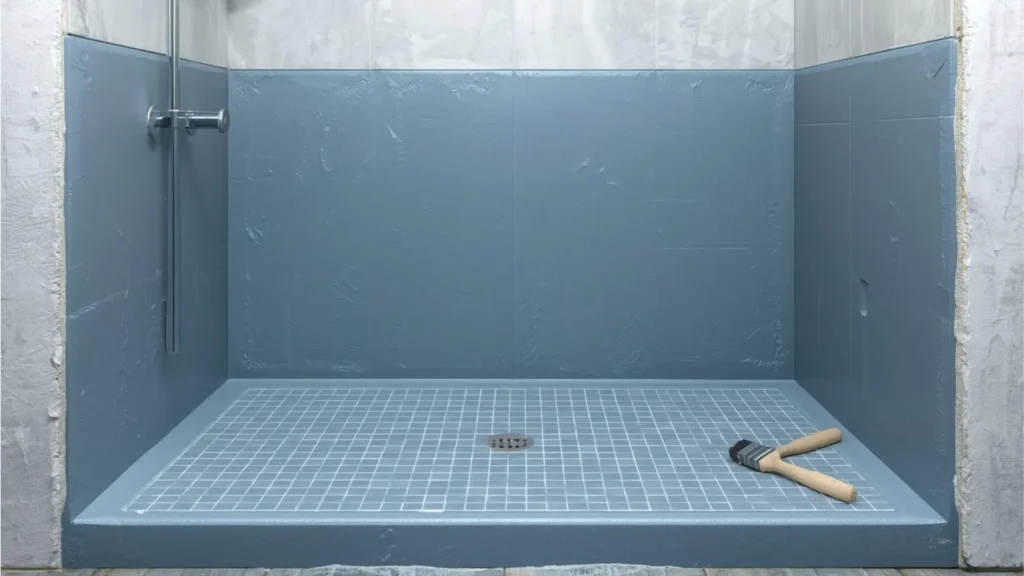
Because it’s invisible. Nobody walks into a finished bathroom and says, “great waterproofing.” But a liquid membrane or sheet membrane applied to every seam, corner, curb, and niche in the shower is what keeps water from reaching the framing.
Waterproofing a standard shower costs $200–$500 in materials. Repairing water damage behind a tiled shower wall costs $3,000–$8,000. The math isn’t complicated.
Test the shower pan again after waterproofing. Fill it, mark the water line, and wait 24 hours. If the line drops, find and fix the leak before a single tile goes up.
Preparing Surfaces for Tile
Skim-coat or level any uneven areas. Choose thinset or adhesive rated for your specific tile material (porcelain, natural stone, and large-format tiles each have different requirements). A flat, properly prepped surface is what makes the difference between tile that stays put for 20 years and tile that pops loose in 18 months.
Installing Finishes and Final Fixtures
The finishing phase is where the room starts to look like a bathroom again. Every piece installed here depends on the work done in every phase before it. If the rough-ins are accurate, the walls are flat, and the waterproofing is solid, this part goes fast.
Should You Tile the Floor or Walls First?
It depends. In most bathroom remodels, wall tile goes up first (especially in the shower) and floor tile follows. This lets you lap the wall tile over the floor tile’s edge, creating a tighter water seal at the base.
Map out your tile layout on paper before you start. Awkward cuts at eye level or along the entry look amateur. Dry-lay the floor tile to check spacing and make sure you’re not ending with a 1-inch sliver against the wall.
After setting tile, grout, and let it cure fully (usually 24–72 hours depending on the product). Clean alignment, proper spacing, and finished edge trim make the difference between a professional result and an obvious DIY job.
Vanity, Toilet, and Accessories
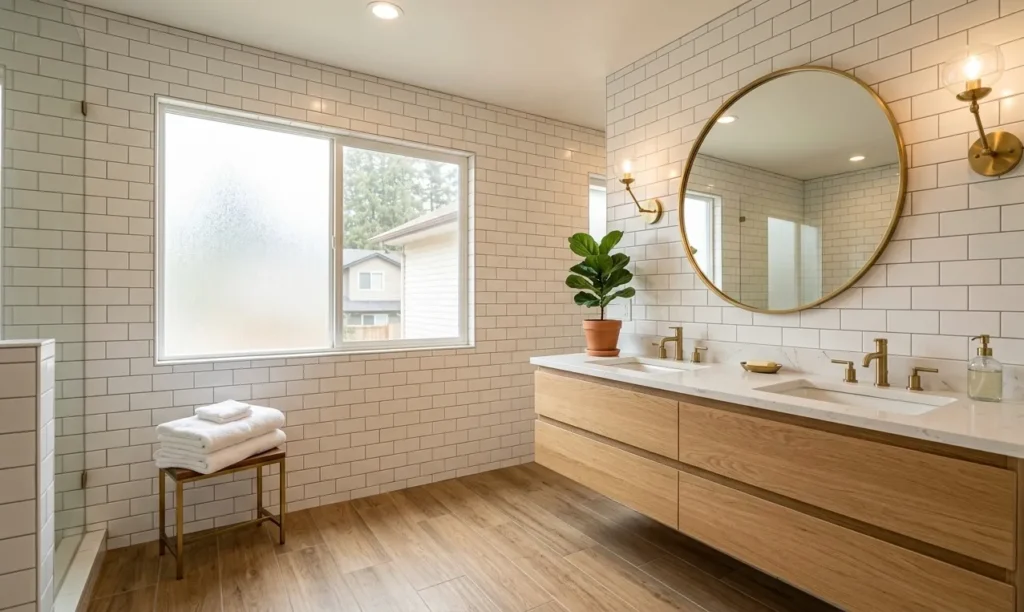
Set the toilet after the floor tile is down. This gives you a clean wax ring seal against a flat surface. Mount the vanity after the wall finishes are complete so the backsplash sits tight.
Double-check that plumbing supply lines and drains line up with your new fixtures before bolting anything down. I’ve seen vanities installed over drain lines that were 2 inches off-center. The fix required cutting into a brand-new tile floor.
Towel bars, hooks, shelving, and other accessories go in last. Anchor them into studs or use proper toggle bolts in drywall areas. Accessories ripped out of drywall within a year are one of the most common (and most preventable) post-remodel complaints.
Lighting and Hardware
Install mirrors, sconces, pendants, faucets, and cabinet pulls. Confirm everything is level and centered before final tightening. Small misalignments in lighting or hardware are the kind of detail that bothers you every morning for the next decade.
Once all connections are live, test every fixture. Run the shower. Flush the toilet. Flip every switch. Open and close every drawer. If something doesn’t work or doesn’t feel right, fixing it now takes minutes. Fixing it after a homeowner has moved in takes scheduling, coordination, and patience that nobody has left.
Bathroom remodeling ranked as the most common remodeling project in 2025, according to NAHB data. And the bathroom renovation order is the reason most of those projects either come together or fall apart. Getting the sequence right, from demo through final hardware, with a team that knows how to manage a renovation from start to finish, is the single most reliable way to protect your investment.
Frequently Asked Questions About Bathroom Renovation Order
What is the correct order of operations for a bathroom renovation?
The standard professional sequence is: planning and budgeting, space prep, demolition (fixtures, then walls, then floors), rough-in plumbing and electrical, wall closure and waterproofing, and finish installation (tile, fixtures, hardware). Following this order prevents the most common and expensive rework issues.
Should you tile the floor or walls first in a bathroom?
In most cases, walls go first (especially shower walls), then the floor. This allows the wall tile to lap over the floor tile’s edge, creating a tighter water transition. Some installers prefer floor-first for specific design situations, but the wall-first approach gives you better waterproofing at the base where water pools most.
How much does wrong sequencing cost in a bathroom remodel?
Contractor estimates from industry forums put the cost of sequencing mistakes at $8,000–$20,000 in demo and rebuild. The most expensive error is tiling over plumbing that was never pressure-tested or a shower pan that wasn’t flood-tested for 72 hours. These problems stay hidden until water damage appears months later.
Do you need a permit for a bathroom renovation?
You typically need permits for any work involving plumbing, electrical, or structural changes. Cosmetic updates (paint, hardware swaps, new accessories) usually don’t require one. Several states adopted the 2024 International Codes effective January 2026, which tightened requirements for drain slope, venting, and vapor barriers in bathroom rough-ins. Check with your local building department before the demo starts.
What hidden costs catch homeowners off guard during a bathroom remodel?
Subfloor rot, outdated wiring, missing vapor barriers, and undersized ventilation are the most common surprises discovered during demolition. These issues add 15–30% to the project budget. Building a 15–20% contingency into your numbers from day one is the only reliable protection.
What’s the ROI on a bathroom remodel in 2026?
A midrange bathroom remodel recoups about 80% of its cost at resale, according to JLC/Zonda’s 2025 Cost vs. Value data. Upscale remodels recover around 42%, and universal design bathrooms land near 61%. The takeaway: moderate, well-executed renovations return more per dollar than luxury builds in most markets.
How has the labor shortage affected bathroom renovation timelines?
The construction industry needs 439,000 net new workers in 2025, per Associated Builders and Contractors data, and the shortage adds an estimated 2–6 weeks to residential remodeling projects. Sequencing delays compound quickly because each trade depends on the one before it.

Michael Vale has over 5 years of experience helping clients improve their business visibility on Google. He combines his love for teaching with his entrepreneurial spirit to develop innovative marketing strategies. Inspired by the big AI wave of 2023, Michael Vale now focuses on staying updated with the latest AI tools and techniques. He is committed to using these advancements to deliver great results for his clients, keeping them ahead in the competitive online market.