
Best Time To Remodel Your Bathroom In 2026 (And When To Wait)
The best time to remodel a bathroom is late winter through early spring (roughly February to April). Contractors have shorter backlogs, material suppliers are running promotions to clear inventory, and you avoid the pricing surge that kicks in once warm weather hits. I’ve watched homeowners save 5–10% just by starting their project two months earlier than they originally planned.
The best time to remodel a bathroom depends on contractor availability, your household schedule, and how much you’re willing to pay during peak demand. Late winter and early spring consistently offer the strongest combination of lower costs, faster scheduling, and less competition for quality crews. If you can plan around those months, you’ll get a better experience from start to finish.
But “best” is relative. If your only bathroom is under construction in February and you live somewhere that hits single digits, that changes the math. So here’s a season-by-season breakdown, backed by 2025–2026 data, to help you pick the right window for your specific situation.
This article won’t cover cosmetic refreshes (paint, hardware, mirrors). We’re talking full bathroom remodels, where plumbing moves, tile goes up, and permits get pulled. That’s a different animal.
Why Does Bathroom Remodel Timing Actually Matter?
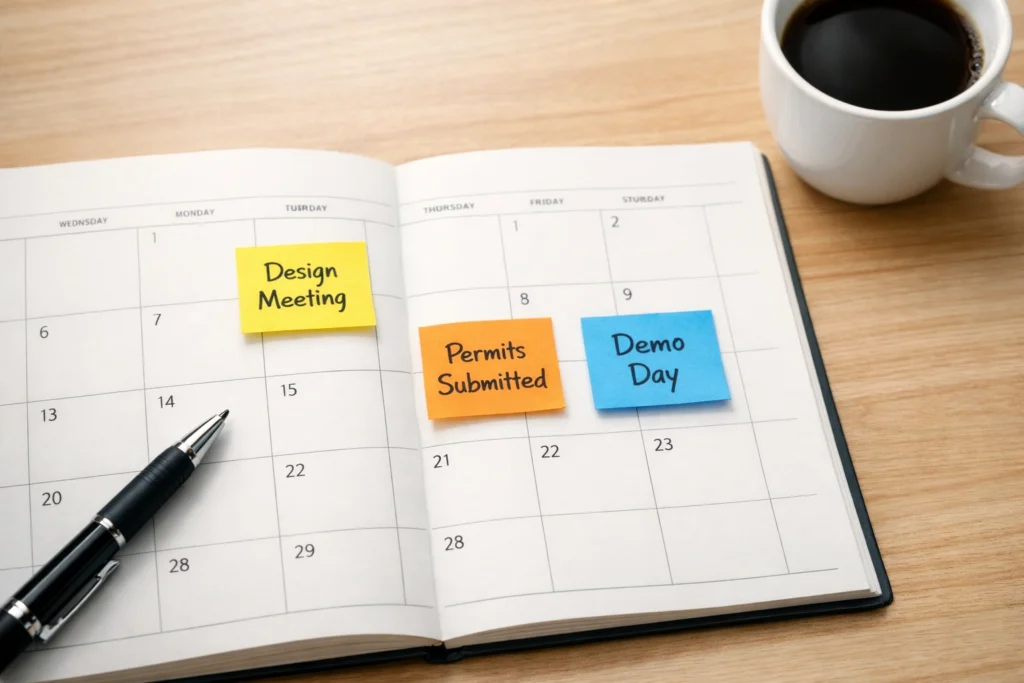
A full bathroom renovation takes 5–8 weeks on average once construction starts, according to NKBA data from 2025. Add design and permitting, and you’re looking at 3–5 months from first phone call to finished shower.
That timeline means the season you start planning matters more than the season you break ground. If you call a contractor in May hoping for a June start, you’re already behind. The NAHB reported that 64% of remodelers still faced skilled trade shortages in 2023, and residential construction lost another 26,100 jobs through late 2025 per HBI data. The labor squeeze isn’t theoretical. It’s why good contractors are booked 4–12 months out in busy markets.
Timing affects four things directly: what you’ll pay, how long you’ll wait, who’s available to do the work, and how much the project disrupts your daily life. The 2025 JLC Cost vs. Value Report pegged a national midrange bathroom remodel at $26,138, up from $25,251 the year before. Costs are climbing. Waiting doesn’t make it cheaper. The principles here mirror picking the right season for any home project, though bathrooms have a few unique wrinkles.
What’s the Best Season to Start a Bathroom Remodel?
Winter (December Through February): Low Demand, Real Opportunity
Most homeowners don’t think about demolishing their bathroom during the holidays. That’s exactly why winter can be your best move.
Contractor schedules thin out in December and January. I’ve seen remodelers offer flexible pricing during this window because their crews need work. Showrooms are quieter, too, which means better service and sometimes clearance pricing on vanities, tile, and fixtures.
The catch? If you only have one full bathroom, being without it in the dead of winter is rough. And if your project involves any exterior work (a bump-out addition, for example), cold weather creates complications. But for a standard interior gut-and-rebuild, winter is underrated.
Late Winter to Early Spring (February Through April): The Sweet Spot
This is the window I’d pick if someone forced me to name one. Holiday stress is over. Spring’s peak demand hasn’t started. Contractors are wrapping up smaller jobs and actively looking for their next project.
You also get ahead of permit backlogs. Most building departments see their heaviest volume from April through June. Filing in February means faster approval and an earlier start date.
The downside is minor. It’s still cold in much of the country, which can matter if you need temporary bathroom arrangements while water lines are disconnected. But for most full-bath remodels, this is the time to book.
Spring (March Through May): Popular, but That Popularity Costs You
Spring feels like the “right” time to renovate. Fresh start, warmer weather, longer days. And homeowners act on that feeling in large numbers.
That surge in demand means longer wait times, less negotiating room on pricing, and fewer options for top-tier contractors. Angi’s 2025 State of Home Spending report found that 22% of homeowners who planned bathroom remodels targeted this period. When one in five buyers is competing for the same crews, you lose leverage.
If you do go the spring route, start your planning in January. Get design locked in, permits submitted, and a contractor signed before March. Otherwise you’re playing catch-up.
Summer (June Through August): Convenience Meets Peak Pricing
Summer has one genuine advantage: you can time your renovation around a vacation. Leave for two weeks, come back to a finished bathroom. That sounds great on paper.
The reality? Summer is the peak remodeling season. Contractor demand is highest, pricing reflects it, and material lead times stretch because everyone is ordering at once. The NKBA’s Q3 2025 Kitchen and Bath Market Index noted that supplier price increases averaged 4.1% year-over-year, with tile, sinks, and lighting seeing the steepest jumps. Summer pricing stacks those increases on top of demand premiums.
If your project includes an exterior component (like a bathroom addition with a bump-out wall), summer’s long daylight hours do help. For a standard interior remodel, you’re paying more for the same work.
Fall (September Through November): Post-Rush, Pre-Holiday
Fall is a solid middle-ground option. The summer rush fades, contractor availability improves, and you can have a finished bathroom before Thanksgiving guests arrive.
The risk? In northern climates, early snowfall can delay any exterior work. And if you don’t start planning by July or August, you’ll run into the same scheduling crunch you were trying to avoid.
Actually, the bigger risk with fall is something most guides skip: if your project runs long (and roughly 30% of remodels do, per contractor surveys), you’re now deep into the holiday season with an unfinished bathroom. Plan a buffer.
When Should You NOT Remodel Your Bathroom?
- During the holidays. I’ve seen this go badly more than once. Construction dust, strangers in your house, no functioning shower. That doesn’t mix with hosting Thanksgiving or Christmas.
- Without a 2–3 month planning head start. A custom bathroom remodel isn’t something you schedule two weeks out. Permits alone can take 2–4 weeks depending on your municipality. Add design time and you need a minimum 8–12 week runway before you want construction to begin.
- Right before another major renovation. Here’s a contrarian take that most contractors won’t volunteer: if you’re also planning a kitchen remodel or an addition within the next 12 months, wait and combine those projects. Bundling saves on mobilization costs, dumpster fees, and general conditions. I’ve seen combined projects come in 10–15% lower than the same work done separately. Talk to your remodeler early so they can scope everything together.
How Much Does a Bathroom Remodel Cost in 2026?
You can’t pick the best timing without knowing what you’re budgeting for. Here’s where national numbers landed in 2025, and what 2026 projections look like with tariff-driven price increases:
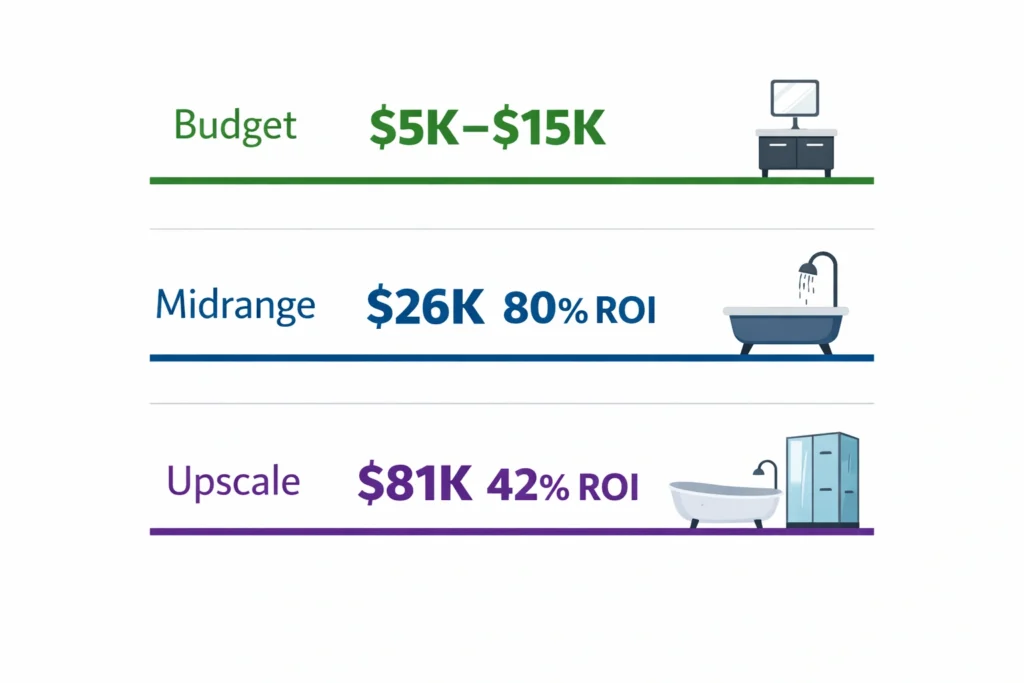
| Remodel Level | 2025 Average Cost | ROI (Resale Value Recouped) |
| Budget refresh (cosmetic) | $5,000–$15,000 | Varies widely |
| Midrange full remodel | $26,138 (JLC 2025) | 80% ($20,915) |
| Universal Design remodel | $42,183 (JLC 2025) | 61% ($25,812) |
| Upscale full remodel | $81,612 (JLC 2025) | 42% ($34,000) |
That 80% recoup rate on midrange remodels is strong. But notice the drop-off on upscale projects. If you’re remodeling primarily for resale value, a midrange project gives you the best return. If you’re doing it because your bathroom is falling apart or unsafe, the ROI math matters less. Houzz’s 2025 study found that personal use and accessibility now outrank resale as the primary motivation for bathroom renovations in 68% of projects.
One more data point worth flagging: NKBA expects 8% growth in bathroom and kitchen spending for 2026, and tariffs on imported materials (European fixtures at 10%, Chinese goods over 100% as of early 2025) will push costs higher. If you’re on the fence, waiting another year won’t save you money. It’ll cost you more. Before you commit to a budget tier, make sure you understand where the biggest costs hide in a bathroom remodel.
Timing Is About Preparation, Not Just the Calendar
Every season has trade-offs. Winter gives you pricing leverage but less comfort. Spring offers momentum but more competition. Summer works for vacationers but costs a premium. Fall balances availability with a holiday deadline risk.
The one factor that matters more than any season? How far in advance you start planning. The homeowners who get the best results, the best pricing, and the least stress are the ones who start talking to qualified remodelers 3–6 months before they want construction to begin. That single decision, starting early, matters more than whether you break ground in February or September.
The best time to remodel a bathroom is when you’re fully prepared. For most people, that means planning now and building in late winter or early spring, before demand and pricing spike together. Working with a team that understands remodeling marketing can help contractors position themselves for year-round demand.
FAQs
What is the best time of year to remodel a bathroom?
Late winter through early spring (February to April) is the best time for most homeowners. Contractor demand is at its lowest, which means shorter wait times and potential cost savings of 5–10%. You also beat the spring permit rush that clogs building departments from April through June.
How long does a full bathroom remodel take?
A typical full bathroom remodel takes 5–8 weeks once construction begins, based on 2025 NKBA data. Add 4–8 weeks for design and permitting, and you’re looking at 3–5 months total from your first contractor meeting to a finished space. Labor shortages can extend timelines by 2–4 weeks in high-demand markets.
How much does a bathroom remodel cost in 2026?
National averages from the 2025 JLC Cost vs. Value Report put a midrange bathroom remodel at $26,138, with an 80% return on investment at resale. Budget refreshes run $5,000–$15,000, while upscale projects average $81,612 with only 42% recouped. Tariff-driven price increases of 4–6% are expected through 2026.
Is it cheaper to remodel a bathroom in winter?
It can be. Contractor demand drops in December through February, which often leads to more flexible pricing and faster scheduling. Some remodelers and showrooms offer off-season discounts during this period. The savings depend on your market, but 5–10% reductions aren’t unusual for winter starts.
Should I remodel my bathroom before selling my house?
Only if you plan a midrange project. The 2025 JLC data shows midrange bathroom remodels recoup about 80% at resale, while upscale projects recover just 42%. Houzz’s 2025 study found that only 26% of homeowners now remodel primarily for resale. Most renovate for personal use and accessibility.
Can I live in my house during a bathroom remodel?
Yes, but expect added stress, especially if you only have one full bathroom. Contractors report that occupied-home remodels can inflate bids 10–20% due to dust containment, noise management, and scheduling around your daily routine. If possible, plan temporary bathroom arrangements or time the project around a vacation.
How far in advance should I book a contractor for a bathroom remodel?
Plan 3–6 months ahead. Quality remodelers in busy markets carry backlogs of 4–12 months. If you want construction during peak season (April through August), start interviewing contractors in November or December. Off-season starts require less lead time but still benefit from early planning.
FAQ Schema:
Michael Vale has over 5 years of experience helping clients improve their business visibility on Google. He combines his love for teaching with his entrepreneurial spirit to develop innovative marketing strategies. Inspired by the big AI wave of 2023, Michael Vale now focuses on staying updated with the latest AI tools and techniques. He is committed to using these advancements to deliver great results for his clients, keeping them ahead in the competitive online market.