
In What Order Should You Renovate A House In 2026?
The correct order to renovate a house is: inspection and permits first, then exterior work, then structural repairs, then mechanical systems (plumbing, electrical, HVAC), then insulation and drywall, and finally interior finishes like flooring, paint, and cabinetry. Getting this sequence wrong is one of the most expensive mistakes homeowners make. I’ve watched clients lose $10,000 or more by installing hardwood before plumbing rough-ins were done. Americans spent over $600 billion on home improvements in 2024 (per the Harvard Joint Center for Housing Studies), and working with the right team from day one is the difference between a smooth project and a financial headache.
The renovation order of operations exists because every phase depends on the one before it. Skip a step or shuffle the sequence, and you’ll pay for it in rework, delays, and frustration.
Does Renovation Order Actually Matter?
Yes. And it matters more than most people think.
Doing things out of order causes real financial damage. Painting before electrical work means repainting entire rooms. Tiling a bathroom before the shower pan is waterproofed means tearing it all out weeks later. Angi’s 2025 State of Home Spending Report shows the average household spent $12,472 on projects last year. A 2026 Clever Real Estate survey found 19% of homeowners stopped a renovation mid-project because of surprise costs. Wrong order on a $50,000 project can add 20–50% in rework. I’ve seen it play out dozens of times. It’s almost always preventable. A strong digital presence helps remodelers connect with homeowners who value doing things right.
Pre-Renovation Steps That Save You Thousands
Get a Home Inspection First
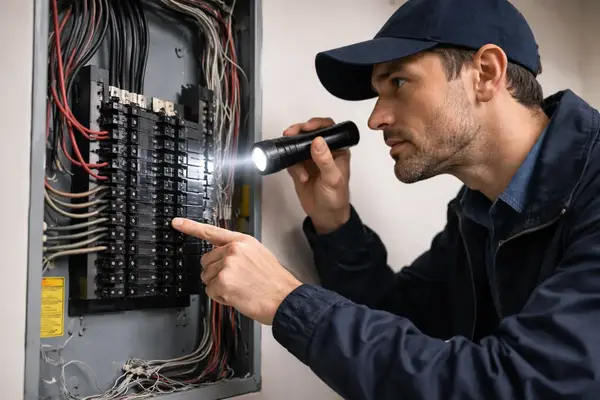
Before you pick cabinet hardware or debate paint colors, hire a licensed inspector. A professional inspection reveals problems hiding behind walls: outdated wiring, water damage trending toward mold, foundation settling, insulation gaps, aging pipes. The NAHB reports that most remodelers surveyed between 2015 and 2023 faced subcontractor shortages in electrical and plumbing. If your inspector flags those systems, you want to know before demo day.
Pull Permits Before You Pick Up a Hammer
Permits feel like bureaucratic nonsense until they save you from a $15,000 mistake.
Structural changes, electrical upgrades, plumbing work, and HVAC installation almost always require permits. Skip them and you risk fines, forced tear-outs, and denied insurance claims. The 2024 IRC updates added new requirements for renovation projects (revised stairway rules, structural load assessments) rolling out across states through 2026. Don’t assume last year’s rules still apply. Treat permits as guardrails, not barriers.
Why Should Exterior Work Come First?
How Does Exterior Work Protect Your Interior?
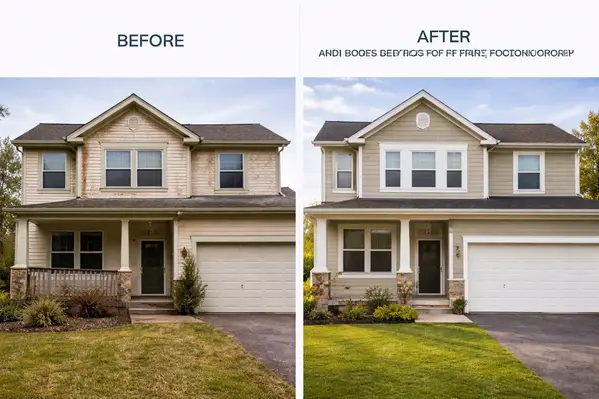
Roofing, siding, and window replacement generate dust, debris, and heavy foot traffic. If your living room is already finished, one mishap from a roofer can ruin new surfaces. But the bigger reason is moisture protection. Your exterior is the first defense against water damage.
The 2025 Cost vs. Value Report from Zonda shows fiber-cement siding recoups about 114% at resale. Asphalt shingle roofing returns roughly 68%. These aren’t just cosmetic. They protect every dollar you spend inside.
Seal the Envelope, Then Move Inward
A tight building envelope keeps water out and conditioned air in. If you’re renovating across seasons, get the roof on, replace old windows, and update siding before opening interior walls. Then you won’t lose new drywall to a surprise storm.
One psychological benefit people underestimate: watching your home’s exterior transform early keeps you motivated through the unglamorous plumbing and wiring phases. Renovation fatigue is real.
Structural Repairs: The Phase Nobody Wants to Pay For
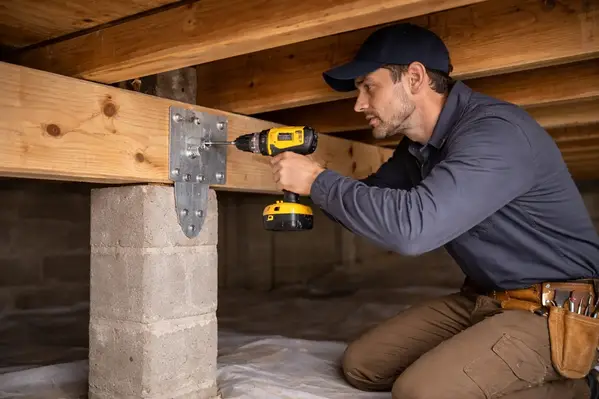
Nobody gets excited about fixing floor joists. But compromised structure means every finish you install sits on a ticking clock.
Structural repairs happen after exterior work and before mechanical or cosmetic upgrades. Non-negotiable. The JCHS 2025 report found that replacements and repairs (roofing, windows, structural, HVAC) account for 49% of all improvement spending, roughly $197 billion. Remodelers who invest in their web presence attract homeowners who value this structural-first approach.
What Should You Look For?
Foundation cracks. Sagging or bouncy floors. Bowing walls. Water stains along beams or joists. Fixing a sagging beam costs a few thousand dollars now. Fixing it after you’ve installed new flooring and cabinets on top? Easily triple.
Plumbing, Electrical, and HVAC Come Next
Once the structure is sound, mechanical systems go in. This is where most DIY renovators get the sequence wrong.
Why Can’t Mechanical Work Wait?
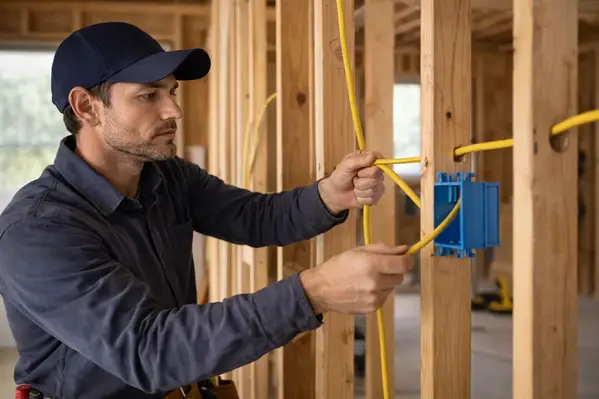
Plumbing, wiring, and ductwork run inside walls, floors, and ceilings. Drywall already up? Your electrician cuts through finished surfaces to run new circuits. Then you pay for drywall repair and repainting on top of the electrical work. The JCHS found energy-related projects now represent 34% of all improvement work, up from 27% in 2003. Heat pumps, panel upgrades, and smart home wiring all require open walls.
What’s the Best Time to Upgrade Wiring and Pipes?
When the studs are exposed. Period.
Replace galvanized pipes with PEX or copper. Rewire for modern loads. Add outlets where you’ll actually use them. Reroute ductwork for better airflow. This work costs a fraction of what it runs after walls are closed.
Here’s the contrarian take most guides skip: if your home was built after 2000 and you’re not changing the layout, you probably don’t need a full mechanical overhaul. I’ve seen homeowners spend $25,000 on plumbing that was perfectly fine because a contractor upsold them. Get a second opinion before replacing systems with useful life left.
The Full Professional Renovation Sequence in 2026
Here’s the order a qualified contractor follows on a whole-house project. This isn’t a suggestion. It’s how you avoid paying for the same work twice.
Planning and Design
Define scope, select materials, set a budget, build a timeline. The Houzz 2025 survey found 93% of homeowners plan to hire professionals in 2026. The market is shifting away from DIY for complex work.
Demolition
Out with the old. Your crew removes outdated structures, finishes, and fixtures. This is also when hidden problems surface. If the inspector missed something, this is your last chance to catch it. Remodelers who show up in search results attract homeowners who take this process seriously.
Rough-Ins and Framing
Framing goes up or gets reinforced. Plumbing, electrical, and HVAC rough-ins happen while walls are open. Inspectors check this work before anything gets covered.
Interior Finishing
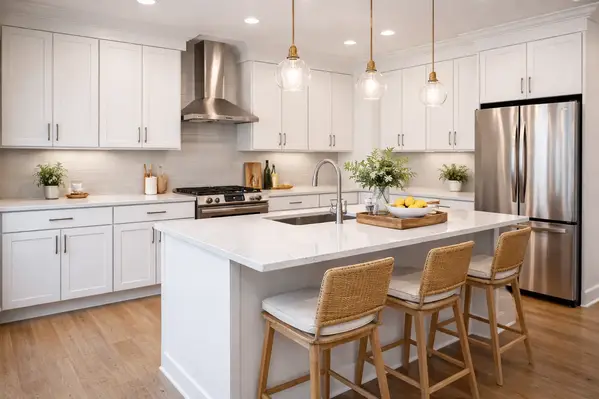
Insulation, then drywall, then prime and paint, then flooring, cabinetry, countertops, tile, and fixtures. Order within this phase matters too: don’t install trim before painting, and don’t set countertops before cabinets are level.
Final Walkthrough and Handover
Walk every room with your contractor. Check every detail against the scope. The Houzz survey found 44% of homeowners wished for better schedule tracking. A marketing partner who gets your industry helps contractors build the trust that keeps clients coming back.
That’s the sequence. Inspection, permits, exterior, structure, mechanicals, insulation, drywall, finishes, walkthrough. Every phase protects the one after it. If someone tells you to start with the kitchen because it’s the most exciting room, ask who’s paying when the plumber cuts through your new backsplash six weeks later.
FAQs
What is the correct order to renovate a house?
The correct order is: home inspection, permits, exterior work (roof, siding, windows), structural repairs, mechanical systems (plumbing, electrical, HVAC), insulation and drywall, then interior finishes (flooring, paint, cabinetry, fixtures). Each phase protects the work that comes after it, and skipping steps can add 20–50% in rework costs.
Should I renovate the kitchen or bathroom first?
Start with whichever room has the most plumbing and mechanical work. In most cases, the kitchen and bathroom happen during the same rough-in phase. The Houzz 2025 report shows kitchens and bathrooms each represent about 24% of all renovation projects. Both should come after structural and mechanical work is done.
How much does a whole-house renovation cost in 2026?
Costs range from $15 to $60 per square foot for cosmetic updates to $70–$150 per square foot for a full gut, according to Angi and HomeGuide 2025 data. Median household renovation spending hit $20,000 in 2024 per the Houzz annual study.
Do I need permits for every phase of a renovation?
Not every phase, but most mechanical and structural work requires permits. Electrical, plumbing, HVAC, and structural changes typically need permits and inspections. The 2024 IRC updates added new requirements being adopted through 2026. Skipping permits risks fines and denied insurance claims.
Can I do renovation work out of order to save money?
Almost never. Working out of sequence costs more, not less. Painting before electrical work means repainting. Flooring before plumbing means replacing flooring. Contractor forums estimate wrong-order mistakes add $5,000–$20,000 on a $50,000 project.
What’s the best ROI renovation to do first?
Exterior projects deliver the highest returns. The 2025 Cost vs. Value Report shows garage door replacements recoup 268%, steel entry doors return 216%, and manufactured stone veneer delivers 208%. These align with the correct sequence since exterior work precedes interior finishes.
How long does a full home renovation take in 2026?
A whole-house renovation typically takes 4–8 months for standard projects and 8–12 months for complex or historic homes. The NAHB reports ongoing skilled labor shortages in carpentry, electrical, and plumbing trades, which can extend timelines 2–6 weeks in busy markets.

Michael Vale has over 5 years of experience helping clients improve their business visibility on Google. He combines his love for teaching with his entrepreneurial spirit to develop innovative marketing strategies. Inspired by the big AI wave of 2023, Michael Vale now focuses on staying updated with the latest AI tools and techniques. He is committed to using these advancements to deliver great results for his clients, keeping them ahead in the competitive online market.